
Blog #5: Inclusive Language
The importance of inclusive language in our school: Molly (EW) reflects on the article “Do You Have a Girlfriend?”.
At our school, communication and interaction are not just part of the curriculum, it is central to how we support every student, every day. Many of our learners have engaged with services like CAMHS and taken part in diagnostic tools such as the ADOS (autistic diagnostic observation schedule). These settings often involve structured social questions, but what happens when those questions assume things about a young person’s identity?
An article in The Psychologist, titled “Do You Have a Girlfriend?”, explores how the language used during assessments (and in everyday life) can unintentionally exclude or confuse children especially those who are LGBTQ+ or still exploring their identity. A simple question like “Do you have a girlfriend?” can carry assumptions about gender and sexuality that might not reflect a young person’s reality.
This is important for us to think about not because we’re trying to prompt conversations about relationships, but because we want to ensure that when identity does come up, we respond in ways that are inclusive, respectful, and familiar.
Why this matters
As we know many autistic people including our students experience the world differently. Many take language literally, rely on clear structure in conversation, or struggle with abstract and personal topics. For some, the only time they hear words like “gender,” “sexuality,” or “pronouns” might be in a medical or assessment setting. That can make these topics feel clinical, overly complex, or even taboo.
By using inclusive, respectful language across our school such as within PSHE lessons, classroom discussions, displays, and day-to-day interactions we help normalise these ideas. It means that when a student hears a term like “non-binary” or “they/them pronouns,” it isn’t confusing or alarming. It’s something they’ve encountered in a safe, supportive environment.
This is about emotional safety as much as it is about language. When students feel seen, respected, and not “othered,” they are more likely to communicate openly, build trusting relationships, and engage confidently in their learning and social world.
The importance of pronouns
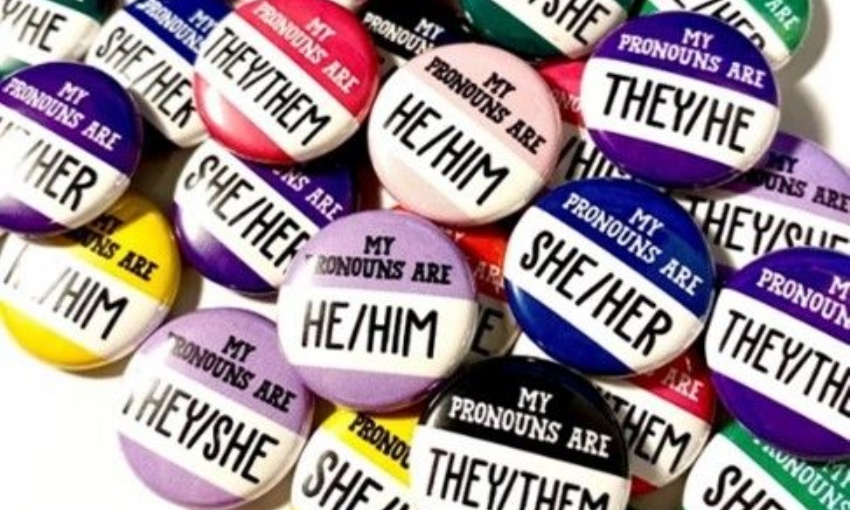
Introducing and using pronouns is a small but powerful step. It tells students: “We don’t assume who you are you can tell us if and when you’re ready.” It also signals that conversations around identity are not off limits or clinical they’re an important normal part of everyday respectful interaction.
At our school, preferred pronouns are now included on students’ one page profiles. This is a positive and inclusive step, but it also raises a good question for us as staff... When we’re creating these profiles with students, do they understand what pronouns are? And if they don’t do we know how to explain it in a clear, age-appropriate, and neurodiverse-friendly way?
Helping students understand pronouns doesn’t mean encouraging them to change anything about themselves it simply gives them the language and confidence to express who they are, if and when they want to.
Here are some steps we can take to embed inclusive language more consistently:
- Model inclusive language: Share your pronouns naturally when introducing yourself or in written materials. Use terms like “everyone” or “they” to avoid assumptions.
- Normalise not spotlight identity: Include books, displays, and examples that reflect a variety of gender identities and family types, without making them feel like “special topics.”
- Support understanding through communication: When creating one page profiles, take time to check understanding of words like “pronouns” in a way that suits the individual. Use visuals, examples, or social stories if helpful.
- Promote emotional safety: Make it clear that students don’t have to share anything they’re not comfortable with but that they’ll be accepted and respected if they do.
- Reflect together as staff: Have ongoing conversations about the language we use and how it might impact students.
Language is one of the most important tools we have in supporting our students' communication, confidence, and wellbeing. By using inclusive language thoughtfully and consistently, we help all our students whether autistic, LGBTQ+, questioning, or simply developing in their own unique way feel safe, respected, and truly understood.
Let’s keep creating an environment where being yourself is never something that has to be explained it’s just accepted.
Article link: https://www.bps.org.uk/psychologist/do-you-have-girlfriend
Pupil comment A: “I wish students focused more on personal and impersonal pronouns during English language lessons, like I, me, my versus he, she, they”.
Pupil comment B: “When staff use personal pronouns, I feel seen and respected”.